
Mosquitoes and ticks
Ticks in Lansing yards
Michigan’s blacklegged (deer) ticks, the ones that carry Lyme disease, are active from March to November and live in wooded and brushy areas. On the state’s 2026 Lyme disease risk map (updated March 2026), Ingham County is a known-risk county, as are its neighbors Eaton, Clinton, Livingston, Jackson and Shiawassee. Known risk means at least two confirmed local exposures and/or blacklegged ticks carrying the Lyme bacteria. A few yard changes make a big difference, and tick checks matter even after time in your own yard.
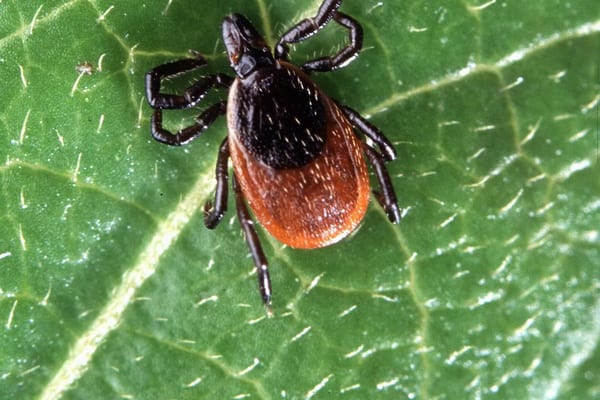
How to recognize ticks
- The two you’re most likely to meet are the blacklegged (deer) tick and the American dog (wood) tick, which is common in grassy and wooded areas mostly April to August. MDHHS’s tick ID card shows them side by side.
- MDHHS offers free tick identification to Michigan residents.
Signs you have them
- Ticks on pets or people after time outdoors, especially near woods, tall grass or leaf litter.
When they show up in Michigan
Most active April to September, but active any day above about 40°F; blacklegged ticks March to November.
Are they harmful?
Blacklegged ticks can transmit Lyme disease and other illnesses.
What you can do yourself
- Keep grass mowed; clear leaf litter, brush and weeds.
- Put a 3-foot strip of wood chips, mulch or gravel between lawn and woods.
- Trim branches to let in sun (ticks need shade and moisture).
- Move wood piles and bird feeders away from the house; seal openings that let rodents in.
- Use vet-recommended tick preventives on pets; check yourself and pets after being outside.
- If using a pesticide, follow the label and keep it away from streams and other water.
When to call us
Not sure what you’re dealing with? Call or text and describe what you’re seeing.
Related pests
- Mosquitoes: the other outdoor biter.
- Fleas: the biters that live indoors with pets.
- Mosquito and tick control
Common questions
When is tick season in Michigan?
Ticks are most active April to September, but can be active any day above about 40°F. Blacklegged (deer) ticks are active from March to November.
Are there Lyme ticks in Ingham County?
Yes. On the state’s 2026 Lyme disease risk map (updated March 2026), Ingham County is a known-risk county, as are Eaton, Clinton, Livingston, Jackson and Shiawassee. Known risk means at least two confirmed local exposures and/or blacklegged ticks carrying the Lyme bacteria.
How do I make my yard less tick-friendly?
Keep grass mowed and clear leaf litter, brush and weeds. Put a 3-foot strip of wood chips, mulch or gravel between lawn and woods, trim branches to let in sun, and move wood piles and bird feeders away from the house.
Sources
Worried about ticks?
Call or text, or send the form, and we’ll take a look.